How Tree and Shrub Care Protects Your Property Value in Summit
Ant’s Plants • September 2026 • Summit, NJ • 7 min read
Short Answer: Mature trees can add 10 to 20 percent to your property value, and healthy, well-maintained landscaping is consistently cited by real estate professionals as one of the highest-return investments homeowners can make in curb appeal. Neglected trees and shrubs, on the other hand, create liability risks, invite disease and pest damage, and detract from the appearance of an otherwise well-kept property. A professional tree and shrub care program that includes proper fertilization, pest management, and disease prevention costs a fraction of what replacement would and keeps these valuable assets healthy for decades. Here’s what Summit homeowners should know.
When people think about lawn care, they tend to focus on the grass. And the grass matters. But if you step back and look at what actually makes a Summit property look beautiful and feel established, it’s usually the trees and shrubs that do the heavy lifting.
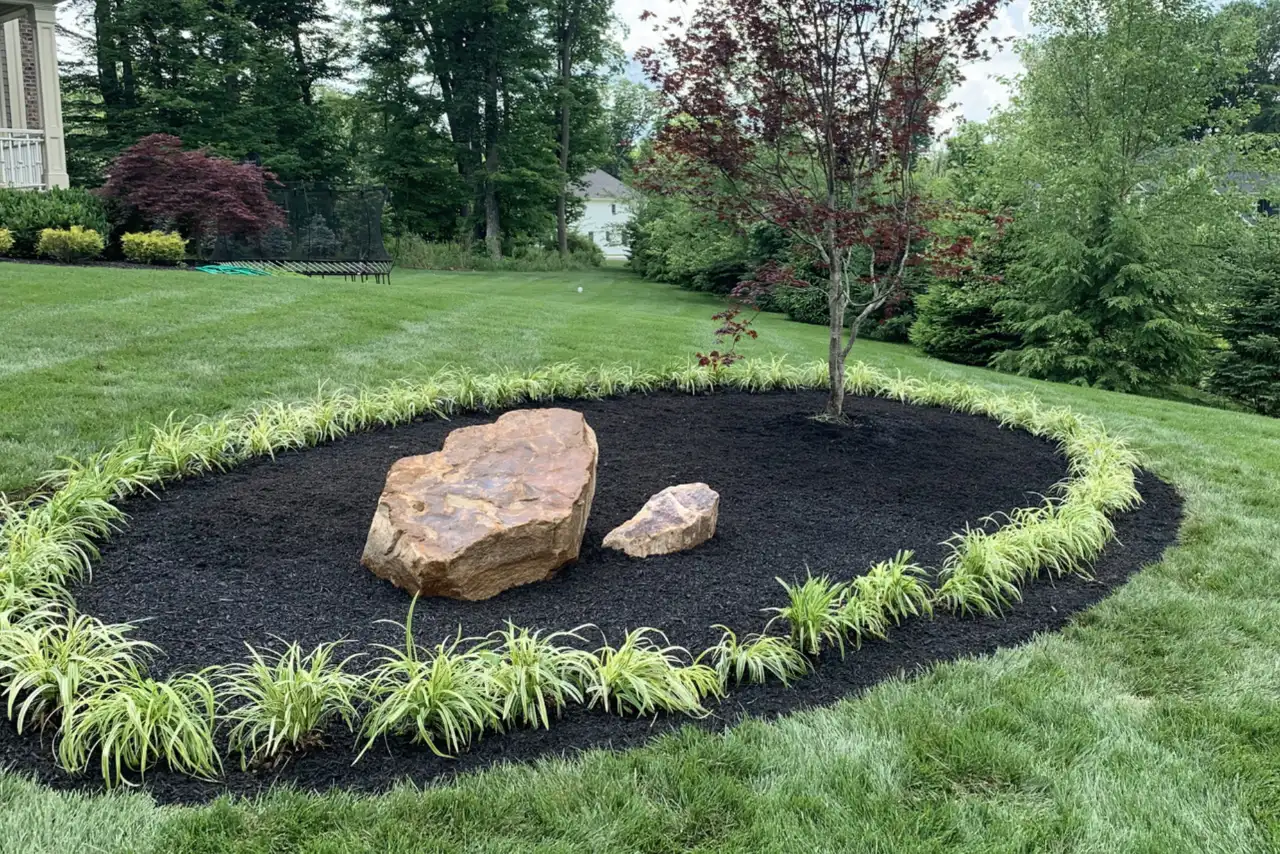
Those mature oaks, the row of boxwoods framing your front walk, the Japanese maple in the corner of the yard. These features took years or decades to grow, they’re often the first thing people notice about a property, and they’re far more expensive to replace than most homeowners realize. Taking care of them isn’t just about aesthetics. It’s about protecting some of the most valuable living assets on your property.
What Your Trees and Shrubs Are Actually Worth
Most homeowners underestimate the financial value of their landscape plantings. A mature shade tree in good health can be appraised at $1,000 to $10,000 or more, depending on species, size, and condition. A well-designed landscape with healthy trees and established shrubs can increase a property’s appraised value by 10 to 20 percent according to multiple studies cited by the USDA Forest Service and the Arbor Day Foundation.
For a Summit home valued at $800,000, that translates to $80,000 to $160,000 in landscape-related value. Even if the actual number for your property is half that, it represents a significant asset that most people never think to maintain the way they maintain their home’s structure or mechanical systems.
Now consider what it costs to replace a mature tree if it dies from neglect, disease, or storm damage. Removing a large dead tree runs $1,000 to $3,000. Planting a replacement of meaningful size (not a 6-foot sapling but something that actually provides presence and shade) can cost $2,000 to $5,000 or more. And you’re still looking at 10 to 20 years before the replacement approaches the stature of what was lost.
The Threats Your Trees and Shrubs Face
Trees and shrubs in the Summit and North Jersey area face a specific set of challenges that many homeowners aren’t aware of until damage is visible.
Insect pests are a constant pressure. Emerald Ash Borer has devastated ash tree populations across the Northeast. Japanese beetles defoliate ornamental trees and shrubs every summer. Scale insects, spider mites, bagworms, and lace bugs all target common landscape plants in our area. Left untreated, these pests weaken trees and shrubs over time, making them susceptible to secondary infections and eventual decline.
Fungal diseases are another major threat, particularly in our humid North Jersey climate. Anthracnose affects many deciduous trees including dogwoods, maples, and oaks. Boxwood blight has become a serious concern for the boxwood hedges that are so common in Summit landscapes. Apple scab, cedar rust, and various needle blights affect other common species.
Soil depletion is a slower but equally damaging issue. Unlike forest environments where fallen leaves decompose and return nutrients to the soil, residential landscapes typically have leaves removed and beds mulched but not fertilized. Over years, the soil beneath your trees and shrubs becomes depleted of the nutrients they need to maintain vigor and fight off stress.
What a Tree and Shrub Care Program Includes
A professional tree and shrub care program typically includes several components timed throughout the year.
Deep root fertilization delivers nutrients directly to the root zone using a pressurized injection system, bypassing the surface layer where grass and mulch would otherwise intercept the fertilizer. This is typically done in spring and fall and provides the balanced nutrition that trees and shrubs need to maintain healthy growth and natural disease resistance.
Insect and disease management involves targeted treatments applied at the right time in each pest’s life cycle. Dormant oil sprays in early spring smother overwintering insects before they become active. Systemic treatments applied to the soil or trunk protect against borers and other damaging insects for extended periods. Fungicide applications prevent or manage disease outbreaks during the vulnerable growing season.
Monitoring is perhaps the most valuable component. A trained arborist or plant health care specialist visiting your property several times per year will spot emerging problems before they become serious. Early detection of an insect infestation or fungal infection is the difference between a simple treatment and a costly rescue effort.
What It Costs (And What It Saves)
A professional tree and shrub care program for a typical Summit residential property runs $400 to $1,200 per year, depending on the number and type of plantings and the level of service. Properties with extensive landscaping or high-value specimen trees may fall at the higher end.
Compare that to the cost of not maintaining these assets. A single dead tree removal and replacement can easily exceed the cost of several years of preventive care. A boxwood hedge lost to blight costs thousands to replace and years to regrow. An ornamental tree weakened by years of untreated pest damage becomes a liability risk in storms.
The math is straightforward. Preventive care costs a fraction of reactive replacement, and it keeps your landscape looking its best every year rather than cycling through decline and expensive restoration.
The Curb Appeal Connection
Beyond the financial math, there’s the daily enjoyment factor. A property with healthy, vibrant trees and well-maintained shrubs looks cared for. It creates shade, defines spaces, provides privacy, and contributes to the character that makes Summit neighborhoods so desirable.
If you’re thinking about selling at any point in the next several years, landscape health is one of the most visible indicators of overall property maintenance. Buyers notice dead branches, thinning canopies, and declining shrubs, and they factor the cost of addressing those issues into their offers. A property where the landscaping is clearly thriving signals that the home has been well cared for across the board.
Why Fall Is the Right Time for This Work
Tree and shrub care gets treated as a spring activity, and several of the most valuable treatments are actually fall treatments.
Root growth continues well after the top of the plant has gone dormant. Soil in North Jersey stays warm enough for root activity into November, which is why fall root zone fertilization is taken up efficiently and stored for spring. Feeding now puts nutrients in place before the plant needs them rather than after.
Fall is also when many insect pests settle in to overwinter. Scale, mites, and borers are all easier to reduce now than once populations rebuild in spring. Dormant oil applications, timed after leaf drop, smother overwintering eggs and are among the most effective and least invasive treatments available.
Deep root watering matters in fall as well, particularly for evergreens. Plants that go into winter drought stressed are the ones showing brown, burned foliage in March, and by then the damage is already done.
Signs Something Needs Attention Now
A walk around the property this month will tell you most of what you need to know.
Look for thinning canopy or dieback at the branch tips, which usually points to a root or vascular problem rather than anything happening on the leaves. Look for sap or fine sawdust at the base of a trunk, which is a strong sign of borer activity. Check the undersides of shrub leaves for the stippling or fine webbing that indicates mites.
And look at the base of every tree. If mulch is piled against the trunk and you cannot see where the trunk flares out at ground level, pull it back. That single fix prevents a slow decline that shows up years later and is almost never traced back to the mulch.
What to Do Next
If your trees and shrubs haven’t been on a professional care program, fall is an excellent time to start. A fall deep root fertilization strengthens root systems heading into winter, and a professional assessment can identify any pest or disease issues that should be addressed before next spring.
We’re happy to walk your property, evaluate the health of your trees and shrubs, and recommend a care plan that fits your landscape and your budget. Whether you have a few key specimen trees or an extensive landscape that defines your property’s character, we’ll tell you what needs attention, what can wait, and what the investment looks like to keep everything healthy for years to come.