Mosquito Control
Do You Really Need Winter Mosquito Control? Here Is What the Science Says
Ant’s Plants • November 2026 • North Jersey • 5 min read
Short Answer: No, you do not need active mosquito control treatments during winter in New Jersey. Mosquitoes are not actively biting or breeding when temperatures are consistently below 50 degrees. However, mosquitoes don’t disappear entirely. Some species overwinter as adults in sheltered spots on your property, and others leave behind eggs that hatch in spring. What you do before winter (a thorough September treatment and habitat cleanup) has more impact on next year’s mosquito population than anything you could do during the cold months. Here’s what the science actually tells us about mosquitoes in winter and what it means for your property.
As temperatures drop and mosquito bites become a distant memory, some homeowners wonder whether they should be doing anything about mosquitoes during the winter months. Maybe you’ve seen ads for year-round mosquito programs, or maybe you’re just curious about where all those mosquitoes went and whether they’ll be back.
We think the honest answer is more useful than a sales pitch, so here’s what the entomology research actually tells us about mosquitoes in winter and what, if anything, you should be doing about them.
What Happens to Mosquitoes in Winter
Mosquitoes in the North Jersey area deal with winter in three main ways, depending on the species.
Some species overwinter as adult females. These mosquitoes find sheltered locations like hollow trees, woodpiles, crawl spaces, storm drains, and dense vegetation, and they enter a state called diapause, which is similar to hibernation. Their metabolism slows dramatically, and they survive on fat reserves built up during their fall feeding. When temperatures warm in spring, these females emerge as the first mosquitoes of the new season, ready to feed and lay eggs.
Other species overwinter as eggs. The females lay their final batch of eggs in late summer or fall in locations that will collect water in spring, like low-lying areas, tree holes, and the edges of seasonal pools. These eggs are remarkably cold-hardy and can survive freezing temperatures for months. When spring rains and warming temperatures arrive, the eggs hatch and begin the next generation.
A third group of mosquito species simply die when sustained cold arrives. These species rely entirely on the egg stage to carry the population through winter. The adults serve their purpose during the warm months and do not survive the cold.
Why Winter Treatments Are Unnecessary
Active mosquito control treatments work by targeting adult mosquitoes in their resting and feeding habitats. During winter, adult mosquitoes are either in deep diapause in locations that are largely inaccessible to spray treatments (inside tree hollows, underground spaces, deep in brush piles) or they’re dead. Eggs are embedded in soil, debris, or protected locations where spray treatments won’t reach them effectively.
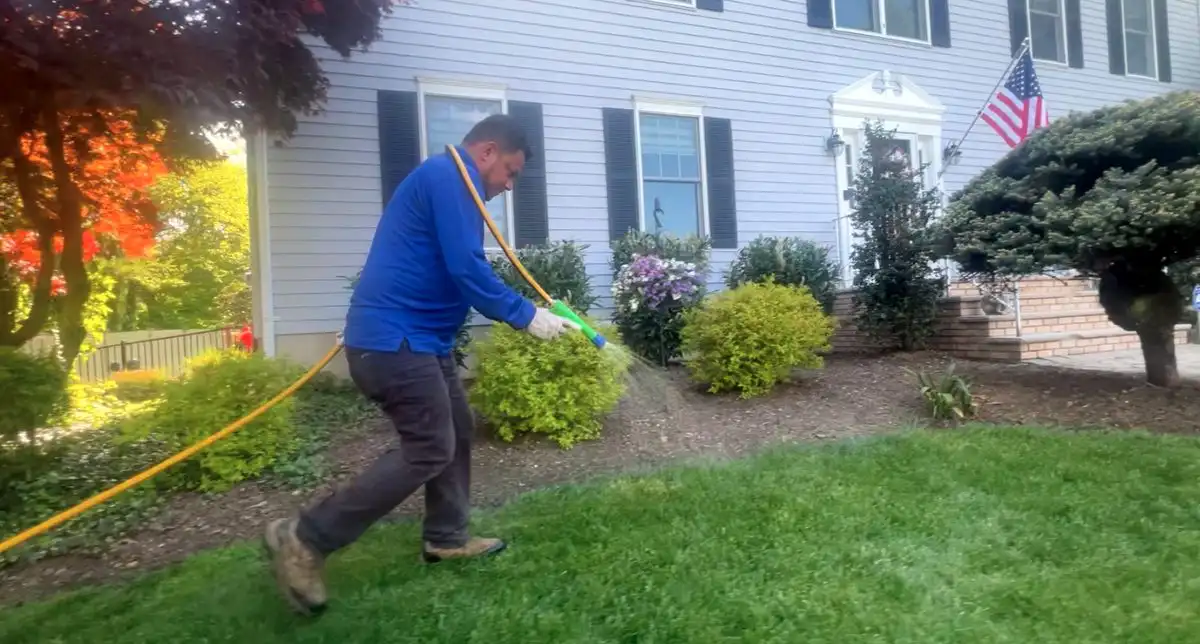
Applying barrier treatments to your yard in December, January, or February would be spraying surfaces that mosquitoes aren’t landing on, at temperatures where the products don’t perform optimally, against a population that isn’t actively present. The science doesn’t support it, and we wouldn’t feel right charging for a service that provides no meaningful benefit.
If a company is selling you winter mosquito treatments in New Jersey, we’d encourage you to ask exactly what those treatments are targeting and what evidence supports their effectiveness during cold months. We haven’t seen data that justifies it.
What Actually Helps: Fall Preparation
The most effective thing you can do about winter mosquitoes is the work done before winter arrives. A strong September treatment reduces the population of overwintering females on your property. Fewer overwintering females means fewer early-season mosquitoes next spring, which means a slower population buildup and a more manageable mosquito season overall.
Fall property cleanup also makes a meaningful difference. Removing leaf litter and debris eliminates overwintering shelter sites. Draining or covering anything that collects water removes egg-laying sites. Cleaning gutters prevents standing water that can serve as early-spring breeding habitat. These are simple, free steps that reduce next year’s mosquito pressure more effectively than any winter spray treatment could.
What About Ticks in Winter?
While we’re on the subject, it’s worth noting that ticks are a different story. Adult deer ticks, the species that carries Lyme disease, remain active through late fall and can even be active on mild winter days when temperatures climb above 35 to 40 degrees. This is a meaningful distinction from mosquitoes.
If you spend time outdoors during mild winter days, especially in wooded areas or areas with leaf litter, tick awareness is still warranted even in December and January. While routine tick treatments during deep winter aren’t typically necessary, the fall tick treatment through November is important for targeting the active adult tick population.
Planning for Next Season
Winter is actually the ideal time to evaluate your mosquito control strategy for the coming year. Think about whether your program this past season provided the level of protection you wanted. Were there months where mosquitoes were still a significant problem? Did your program start early enough in spring?
If you’re considering signing up for a seasonal mosquito program for next year, look for a provider who stands behind their results. Our program comes with our No Bite Guarantee, meaning if mosquitoes are still a problem between treatments, we come back and retreat at no additional cost. Booking during the winter months often comes with early-bird pricing. Starting your program in late April or early May, before mosquitoes are fully active, provides better season-long control than waiting until you’re already getting bitten in June.
What to Do Next
If you’re reading this in November, the most productive mosquito-related step you can take right now is a fall property cleanup: clear leaf litter, drain or cover water-collecting containers, and clean your gutters. These simple actions reduce overwintering mosquito habitat at no cost.
If you’re thinking about next year’s mosquito control program, we’re happy to talk through your options and help you plan a program that starts at the right time and provides the level of protection that fits your situation. The best mosquito season is one you plan for in advance, and winter is the perfect time to do that planning.