Should You Aerate Your Lawn Yourself or Hire a Pro in NJ?
Ant’s Plants • September 2026 • North Jersey • 7 min read
Short Answer: Renting an aerator and doing it yourself typically costs $75 to $150 for equipment rental plus half a day of physical labor. Hiring a professional runs $150 to $300 for most North Jersey residential properties. The price difference is relatively small, but the results can differ significantly. Professional-grade equipment pulls deeper, more consistent cores, and an experienced operator covers the lawn more efficiently and avoids common mistakes. DIY makes sense if you enjoy the work and have experience with heavy equipment. For most homeowners, the time savings and better results make professional aeration the better value. Here’s the full comparison.
It’s September, your lawn needs aeration, and you’re weighing your options. You’ve seen the aerator rentals at the hardware store and you’re thinking, "How hard can it be?" Or maybe you’ve gotten a quote from a lawn care company and you’re wondering if the cost is justified when you could rent a machine for less.
Both are reasonable questions. And the honest answer is that both approaches can work. But there are meaningful differences in cost, effort, and results that are worth understanding before you decide.
The Real Cost of DIY Aeration
Renting a core aerator from a home improvement store or equipment rental center typically costs $75 to $150 for a half-day or full-day rental. That’s the number most people focus on, and it looks like a clear savings compared to a professional quote.
But the rental fee isn’t the full picture. You also need to factor in transporting the machine. Core aerators are heavy, typically 200 to 300 pounds, and require a truck or trailer to transport. If you don’t have one, you may need to rent that too or pay a delivery fee.
Then there’s the time investment. For a typical North Jersey residential property (5,000 to 10,000 square feet of lawn), plan on 2 to 4 hours of actual aerating time, depending on your experience with the machine and the conditions of your soil. Add pickup, transport, return, and cleanup, and you’re looking at most of a Saturday.
Finally, consider the physical demands. A walk-behind core aerator is a substantial piece of equipment that requires real effort to maneuver, especially on slopes, around landscaping, and in tight areas. If you have physical limitations or haven’t operated heavy lawn equipment before, this is worth factoring into your decision.
What Professional Aeration Costs
Professional aeration for a standard residential property in the North Jersey area typically runs $150 to $300, with most properties falling in the $175 to $250 range. Larger properties or those with challenging terrain may cost more.
Many companies offer discounts when you bundle aeration with overseeding, fertilization, or other fall services. If you’re already on a lawn care program, ask whether aeration is available as an add-on at a reduced rate.
For most homeowners, the price gap between DIY and professional is $75 to $150. That’s the real cost difference, not the rental price versus the professional quote. And that gap buys you significantly better equipment, experienced operation, and a free Saturday.
The Equipment Difference
This is where the results conversation gets interesting. The aerators available for consumer rental are typically smaller, lighter machines designed for occasional use. They pull cores that are 2 to 3 inches deep with tines spaced several inches apart.
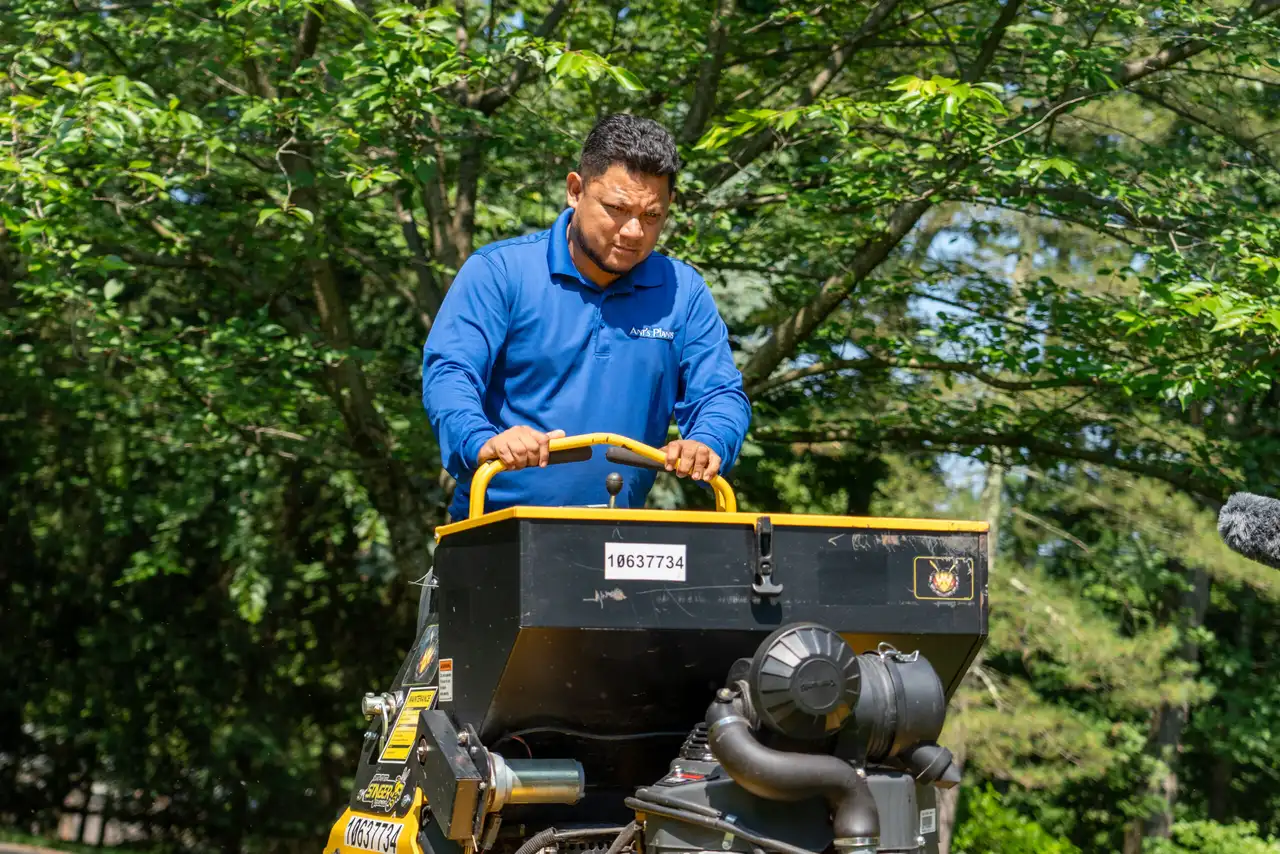
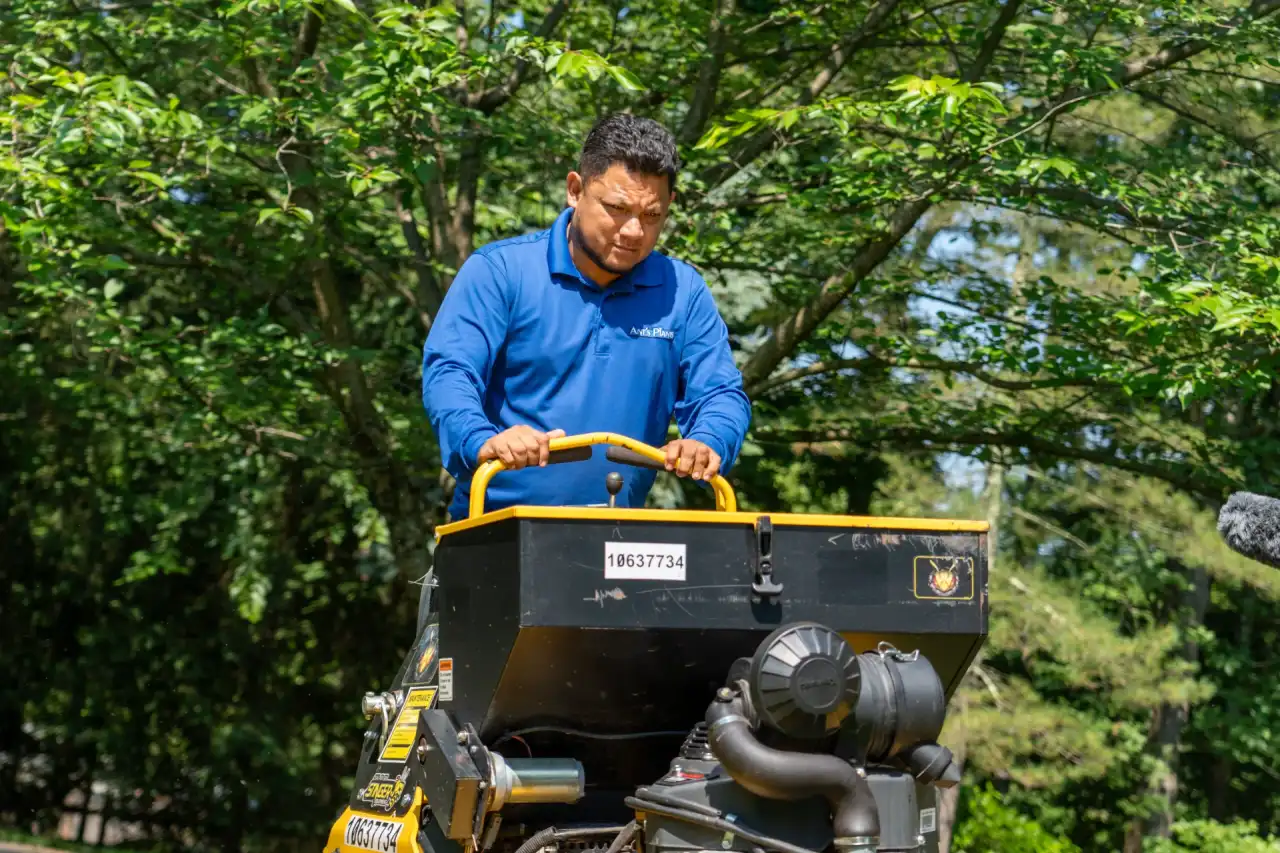
Professional lawn care companies use commercial-grade aerators that are heavier, pull deeper cores (3 to 4 inches), and have more tines spaced closer together. The result is significantly more thorough aeration with better core depth and more holes per square foot. More holes and deeper penetration means better soil relief, better water infiltration, and better seed-to-soil contact if you’re overseeding.
The difference is visible if you compare the two. A professionally aerated lawn will have more uniformly distributed cores with consistent depth across the entire surface. A DIY-aerated lawn often has uneven coverage, with some areas getting good core extraction and others barely penetrated, especially in compacted or clay-heavy soil.
Common DIY Mistakes
We’re not saying DIY aeration can’t produce good results. It can, especially if you’ve done it before and know what to watch for. But there are common mistakes we see that reduce the effectiveness of the work.
Not watering before aeration is a big one. The soil needs to be moist (not soggy) for the tines to penetrate effectively. Aerating dry, hard soil produces shallow cores or skipped areas where the tines just bounce off the surface. Water your lawn thoroughly the day before you plan to aerate.
Insufficient overlap is another common issue. It’s tempting to make one pass across the lawn and call it done, but the best results come from making two passes in perpendicular directions. This doubles the number of holes and ensures even coverage. Most homeowners doing it themselves make a single pass because the work is tiring and time-consuming.
Hitting sprinkler heads, shallow utility lines, or landscape edging can cause expensive damage. Professional operators are trained to identify and flag these hazards before starting. If you’re doing it yourself, mark sprinkler heads and know where your shallow utilities run before you begin.
When DIY Makes Sense
DIY aeration is a reasonable choice if you have experience with heavy lawn equipment, you have a truck or trailer for transport, your property is relatively flat and straightforward, you enjoy physical outdoor work, and you want to save the $75 to $150 difference.
If all of those apply, renting an aerator and doing it yourself can absolutely produce worthwhile results. Just plan for the full time commitment, water the lawn the day before, make two perpendicular passes, and mark any hazards in the lawn before you start.
When Hiring a Pro Makes More Sense
Professional aeration is the better choice if your time is more valuable than the cost difference, you don’t have experience with heavy equipment, your property has slopes, tight areas, or complex landscaping, you want to combine aeration with overseeding for maximum results, or you simply want the best possible outcome with the least effort.
The peace of mind factor is worth mentioning too. When a professional aerates your lawn, you know it’s been done correctly, with the right equipment, at the right depth, with proper coverage. There’s no wondering whether you did enough passes or whether the cores were deep enough.
What Aeration Actually Does to the Soil
Understanding the mechanism explains why timing and equipment matter so much.
Core aeration pulls plugs of soil out of the ground and leaves them on the surface, and that accomplishes three separate things. It relieves compaction, giving roots room to expand into ground that was previously packed too tightly to penetrate. It opens direct channels for water, air, and fertilizer to reach the root zone instead of running off the surface. And as the cores break down over the following weeks, they introduce soil microbes into the thatch layer, which speeds up its decomposition.
That third benefit is the one most homeowners never hear about, and on North Jersey lawns carrying a heavy thatch layer it is often the most valuable of the three.
What to Expect in the Two Weeks After
An aerated lawn looks worse before it looks better, and knowing that in advance saves a lot of unnecessary worry.
For the first week or two the yard is covered in soil plugs. Leave them alone. Raking them up removes the microbial benefit and creates work for no reason. A couple of rains and a mow or two will break them down on their own.
You will also see small holes across the turf, and if you overseeded, the lawn may look thin and patchy while the new seed germinates. For the fescue blends common in our area, germination typically takes 7 to 14 days depending on soil temperature and how consistently the surface stays moist.
Keep heavy foot traffic off during that window, and hold off on any weed control until the new grass has been mowed several times.
What to Do Next
Whether you decide to go DIY or hire a professional, the most important thing is that you get it done during the fall window. Aeration combined with overseeding is the single highest-impact fall service for building a thicker, healthier lawn, and the September-to-October window is the ideal time in North Jersey.
If you’d like to explore the professional route, we’re happy to give you a straightforward quote based on your property. And if you decide to do it yourself, we respect that decision and we’re still here if you need advice on seed selection, watering schedules, or anything else to make your fall lawn work pay off.