Fall Cleanup
Fall Cleanup Checklist: Everything Your Westfield Lawn Needs Before Winter
Ant’s Plants • November 2026 • Westfield, NJ • 6 min read
Short Answer: A thorough fall cleanup protects your lawn from winter damage and sets you up for a better spring. Your checklist should include a final comprehensive leaf removal after trees are bare, a last mowing at a reduced height (2.5 to 3 inches), clearing debris from beds and lawn edges, winterizing your irrigation system, cleaning and storing lawn equipment, and applying your final winterizer fertilizer if you haven’t already. Getting all of this done before the ground freezes prevents snow mold, smothering, and equipment damage. Here’s the full guide for Westfield homeowners.
November in Westfield means the trees are nearly bare, the mornings are cold, and your lawn is winding down for the year. It’s tempting to just let it go and deal with everything in spring. But the cleanup work you do now has a direct impact on how your lawn comes out of winter and how much repair work you’ll face in March and April.
We’ve put together a complete checklist of everything your lawn needs before winter arrives. You don’t have to do all of this in one weekend, but getting it done before the ground freezes makes a real difference.
Final Leaf Removal
This is the big one for Westfield properties. With the number of mature trees in the area, leaf volume can be substantial, and a thick layer of leaves left on the lawn through winter is one of the most common causes of spring lawn damage we see.
Wait until the majority of leaves have fallen before doing your final cleanup. For most Westfield neighborhoods, that’s mid to late November. Doing a thorough cleanup too early means you’ll need to do it again when the remaining leaves drop.
For your final pass, the goal is to get the lawn surface as clear as possible. A light scattering of leaf fragments is fine, but any areas with matted or layered leaves should be cleared completely. Pay special attention to corners, along fence lines, and around the base of shrubs where leaves accumulate and pack down.
If you’re handling this yourself, a combination of mulching with a mower for lighter areas and blowing or raking for heavier accumulation works well. For large properties or heavy leaf loads, professional leaf removal services typically run $200 to $500 depending on property size and leaf volume.
Final Mowing
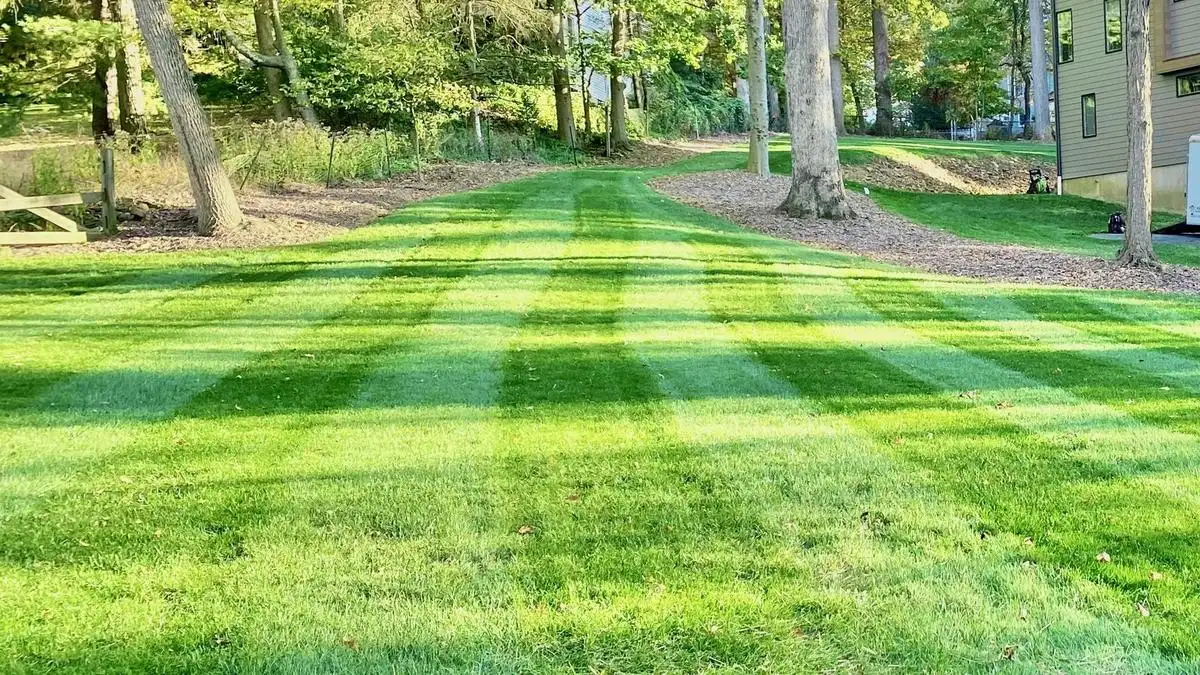
Your last mowing of the season should leave the grass at 2.5 to 3 inches. If you’ve been gradually lowering your mowing height over the past few weeks as we recommended in earlier posts, you should be close to this height already.
The shorter winter height reduces the risk of snow mold, a fungal disease that thrives under matted, tall grass during extended snow cover. It also gives you a cleaner surface that’s easier to clear of leaves and debris.
Continue mowing as long as the grass is still growing. In most years, the last mowing in the Westfield area happens in late November, but a mild fall can push that into early December. When the grass stops growing, stop mowing.
Clear Debris From Beds and Lawn Edges
Leaves and debris that accumulate at the edges where your lawn meets garden beds, walkways, and the foundation of your house can create moisture traps that promote disease and attract pests looking for winter shelter.
Clean out leaves from garden beds and along foundation plantings. Remove any fallen branches, sticks, or fruit from the lawn. Pull up any remaining annual flowers or vegetable garden plants that are done for the season. Cut back perennials that have died back to the ground, leaving a few inches of stem.
This cleanup isn’t just about aesthetics. Removing organic debris reduces overwintering sites for insects and fungal spores, which means fewer problems to deal with next spring.
Winterize Your Irrigation System
If you have an in-ground sprinkler system, winterizing it before the first hard freeze is not optional. Water left in the lines expands when it freezes, cracking pipes, fittings, and the backflow preventer. Repair costs from freeze damage can easily run $500 to $1,000 or more.
Winterization involves shutting off the water supply to the system and using compressed air to blow residual water out of all the lines, valves, and heads. This is typically a $75 to $125 service from an irrigation company and takes about 30 to 45 minutes.
If you haven’t scheduled this yet, do it soon. The first hard freeze in the Westfield area typically arrives in mid to late November, and irrigation companies get booked up quickly in November. Don’t wait until the forecast shows freezing temperatures to make the call.
Clean and Store Lawn Equipment
Taking 30 minutes to properly store your lawn equipment now will save you frustration and repair costs in spring.
For your mower, run out or drain the remaining fuel (or add fuel stabilizer if you prefer to leave it in), clean the underside of the deck, and sharpen or replace the blade so it’s ready for spring. A sharp blade on the first spring mowing makes a real difference in cut quality.
Clean your spreader thoroughly and store it out of the weather. Fertilizer residue left in a spreader through winter corrodes metal parts and can jam the mechanism. For string trimmers, blowers, and other gas-powered equipment, the same fuel management applies: either run them dry or add stabilizer.
Store everything in a dry location. Equipment left outside or in a damp shed deteriorates faster than equipment stored properly.
Confirm Your Winterizer Was Applied
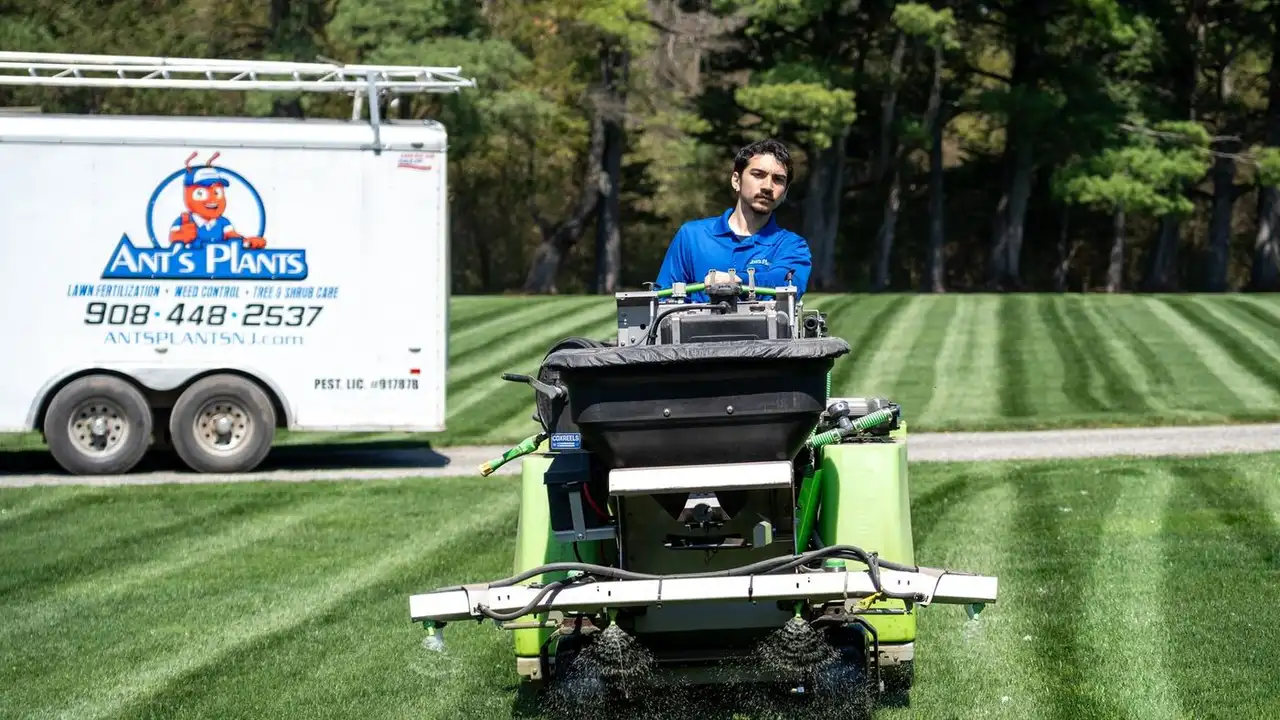
If you’re on a lawn care program, your winterizer fertilizer application should have been done in late October or early November. If you’re not sure whether it was applied, check with your provider. This is the most important fertilizer application of the year for spring recovery, and it’s not too late to get it down if it hasn’t happened yet.
If you handle your own fertilization, the winterizer should go down after the last mowing but while the ground is still unfrozen. A product with higher nitrogen and potassium, something in the range of 24-0-12 or similar, is ideal. Apply at the recommended rate on the bag and water in lightly if no rain is expected within 24 hours.
What to Do Next
Work through this checklist over the next few weeks and you’ll go into winter knowing your lawn is in the best possible position. The effort you put in now prevents problems that are much more time-consuming and expensive to fix in spring.
If you’d rather have professional help with your fall cleanup, we’re still making visits in the Westfield area through late November. Whether it’s leaf removal, a final winterizer application, or a full fall cleanup package, we’re here to help you close out the season right and set your lawn up for its best spring yet.