Planning Your Fall Lawn Renovation in North Jersey
Why July Decisions Decide September Results
Ant's Plants • July 2026 • North Jersey
The September renovation window for North Jersey lawns is short, and the lawns that get the best results in fall are the ones whose owners plan in July rather than scrambling in late August. A real renovation includes core aeration, soil amendment based on a real soil test, overseeding with the right cool-season blend, and a thoughtful watering and protection plan for the first three to four weeks.
Why Planning in July Matters
If you're looking at a lawn that has not been what you wanted it to be for a while, summer is the wrong time for most renovation work in North Jersey — but it is the right time for the conversations and decisions that determine whether a September renovation succeeds. The properties that get the best fall results are not the ones whose owners call in late August with urgency. They are the ones who used July to assess honestly, plan accurately, and book early.
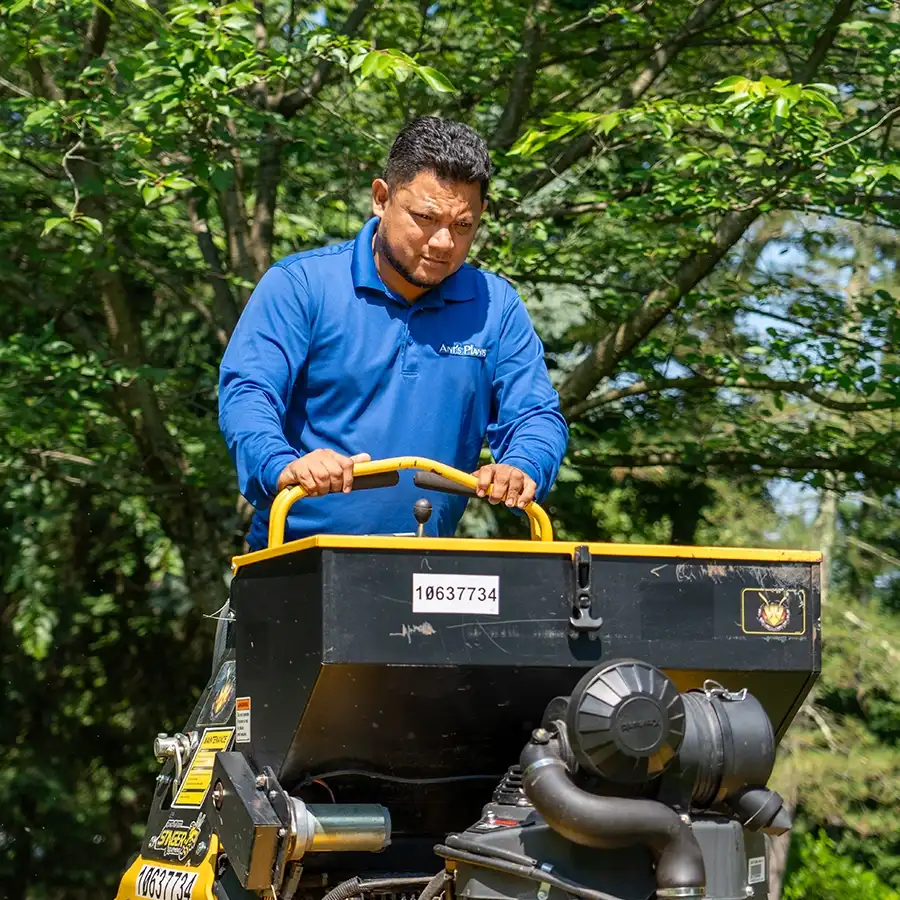
What a Real Fall Renovation Includes
The term renovation gets used loosely. The honest middle that delivers the best result for most North Jersey lawns includes four parts.
Core Aeration
Removes plugs of soil and creates pathways for air, water, and seed to reach the root zone. Without aeration, overseeding is usually a waste of money because seeds sit on compacted soil and never germinate properly.
Soil Amendment
Based on an actual soil test, this corrects pH and nutrient deficiencies that limit growth. Most North Jersey soils run slightly acidic and benefit from lime, but every property is different and the test removes the guesswork.
Overseeding
With a cool-season blend appropriate for your climate and specific sun exposure. The right seed for a full-sun front yard is different from the right seed for a shaded backyard — and the difference matters more than most packaging suggests.
Watering & Protection Plan
The first three to four weeks after seeding decides whether the work pays off. Newly seeded areas need consistent moisture, controlled foot traffic, and honest assessment of the homeowner's commitment during establishment.
Why July Is When the Audit Happens
The right time to assess a lawn for renovation candidacy is during summer stress — not in September after fall rains have masked the underlying problems. We can see real issues in July that disappear by September.
Thin Areas & Bare Spots
Easier to identify in July when contrast against healthy turf is strongest. Heat stress, drought response, disease scars, and grub damage are all most visible in mid-summer. By September, cool nights and rain can hide the actual extent of the problem.
Compaction Patterns
Show up clearly when the soil is dry. Foot traffic paths, dog runs, and stress patterns from heavy equipment are visible in summer in a way they are not after fall moisture softens everything.
Sun Exposure Assessment
Sun is at peak in July, so we can see which areas are full sun, partial shade, or deep shade. The seed blend recommendation depends on this and is harder to get right in October when the tree canopy is changing.
Soil Testing Timeline
A soil test in July gives the lab time to return results and gives us time to order the right amendments before September. A soil test in early September is often too late to get amendments down before seeding.
Is Your Lawn a Renovation Candidate?
Not every lawn is a renovation candidate. The July audit is the moment to be honest about which category your property is in.
60–70% Good Turf
Excellent renovation candidates. Core aeration and overseed will dramatically improve density and outcompete weeds without requiring more disruptive work.
Less Than 40% Good Turf
May be better candidates for more aggressive renovation: a non-selective herbicide application in late August to clear the slate, followed by slit seeding or sod, rather than overseeding into a problem.
Drainage or Disease Issues
Need the underlying issue addressed before any seed work happens. Overseeding into a drainage problem just buys you more grass to lose next year.
Lawns Under Two Years Old
Already filling in well usually do not need full renovation. A light overseed to thicken thin areas plus an aeration pass keeps the trajectory in place without overcommitting.
The Mid-Summer Watering Strategy That Helps Renovation Later
How you treat your lawn through July and August affects what we can do in September. Be intentional about summer watering — not because of summer aesthetics, but because of what you want fall to look like.
Fully Dormant Through Summer
Recovers cleanly when fall conditions arrive. The crowns are alive, the surviving plants come back, and renovation work focuses on filling in around them.
Consistently Irrigated
Keeps the lawn in active growth, which is fine, but existing plants compete with new seedlings during fall establishment.
Watered Inconsistently
Often arrives at September in worse shape than either strategy above. Crowns burn through reserves waking up and going dormant repeatedly, leaving the renovation with a weaker starting position.
Why September Is the Window in North Jersey
Cool-season grass has two peak growth windows: spring and fall. Spring is too late by the time soil temperatures are right because new seedlings then face summer heat before they can establish. Fall is when soil temperatures cool back into the 60s, air temperatures moderate, fall rain becomes reliable, and there are still 8 to 10 weeks before deep frost.
In our area, the optimal seeding window opens around the first week of September and stays open through early October. Earlier in September is better because new seedlings get more weeks of good conditions before frost. Late October seeding can work but is much riskier. Booking the work for early September means the company has the slot, the seed and amendments are on hand, and the weather forecast is workable.
What Customers Often Get Wrong About Fall Renovation
Overseeding Alone Won't Fix It
Overseeding without aeration almost never works. Seed sits on top of compacted soil, dries out before germination, and most of it never establishes.
More Seed ≠ Better Results
Overseeding rates are calculated for a reason. Doubling the rate creates seedling competition where the strongest survive and most others die out anyway.
Renovation Is Not the Finish Line
The first three to four weeks after seeding are when the real work happens. Watering consistently, keeping foot traffic light, and protecting through the first few cuts turn investment into result.
One Season Has Its Limits
Most lawns improve significantly with one good renovation. Lawns with deep underlying issues may take two consecutive falls to reach where the homeowner wants them.
Common Questions About Fall Renovation
How long does the work take?
A typical aeration and overseed on a residential property is a half-day or less. The establishment period that follows is three to four weeks of careful watering and protection.
When should I stop mowing before renovation?
Mow at standard height a day or two before the work. After seeding, hold off on mowing until the new grass is 4 inches tall, then cut high.
Will the lawn be unusable during establishment?
Light foot traffic is fine after the seed has been watered in. Heavy traffic, large dogs running, and sports activity should be redirected for the first four weeks.
Can I do part of this myself?
Many homeowners handle the watering portion well and contract out the aeration and seeding. We respect that and will set you up with what you need to know.
Ready to Plan Your Fall Renovation?
If you are thinking about a fall renovation for your North Jersey lawn — in Basking Ridge, Stirling, Bernardsville, Summit, or Westfield — the right move right now is to schedule a property walk in July. We will assess the lawn honestly, take a soil sample if useful, and discuss whether renovation is the right call for your specific situation. If it is, we will hold a September slot for you and order what we need to be ready. There is no obligation after the walk.