Grub Control
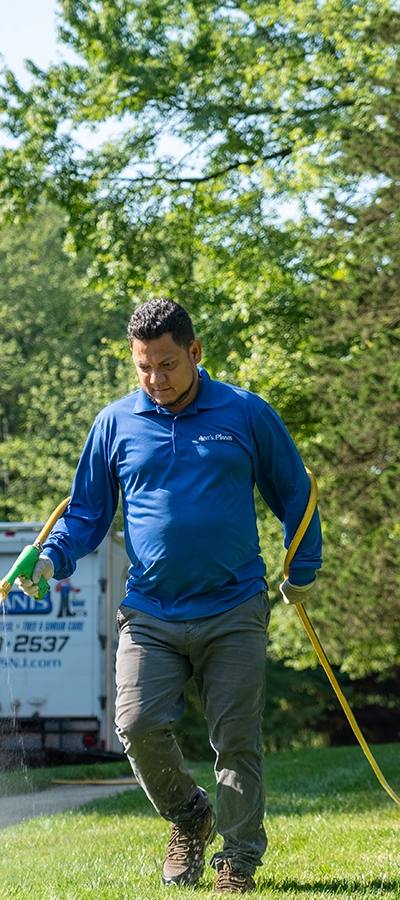
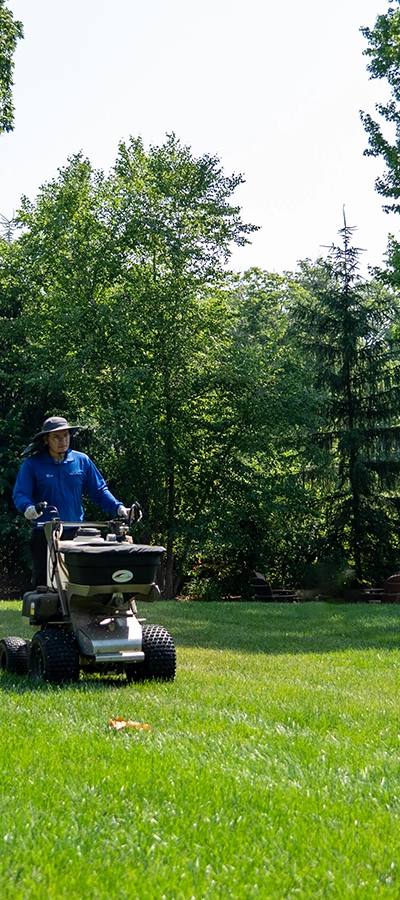
Grubs are the larvae of the Japanese beetle, and can destroy a lawn in the blink of an eye. They eat the roots leaving the grass plant unable to take in food or water. It is very wise to add this service to your lawn care program turning it into 7 visits, and protecting your lawn from potentially devastating late summer grub damage. This visit is typically completed between the months of May and July with your round 2 lawn care program application.
How Grub Control Works
Grubs typically hatch in late summer and they are most susceptible to pesticides and easiest to eliminate as larvae before they start killing your grass. Which is why we recommend this application with your Round 3 Lawn Care Program application.
This preventative treatment gets rid of grubs as soon as they hatch.
Signs Your Lawn Has Grubs
If you begin to see brown patches popping up in your yard, this can be an indicator of grubs. It can also be a sign of lawn disease, so you'll want to check for other signs of a white grub infestation.
When grass feels spongy, grubs may be underneath. If you can take that spongy grass and roll it up like a carpet, it's a pretty strong sign of grub presence in your soil. Once you pull up the grass, you may even see the actual grubs.
Another major indicator of grubs in your yard is seeing other animals rooting around in your grass. Animals like raccoons, armadillos, or skunks love to eat grubs and will dig into your grass and soil to eat the grubs, which ends up causing further damage to your lawn.
How Much Does Grub Control Cost?
When Is The Best Time To Treat For Grubs?
Can Grubs Be Prevented?
Nothing can completely prevent grubs in your lawn but there are some things you can do to make it much harder for grubs to get established in your lawn. But here are a few things you can do to reduce the chances of getting grubs:
Proper Mowing:
Height: Keep your grass at the recommended height for its species, typically around 3 inches for cool-season grasses. Taller grass shades the soil, making it less attractive to beetles for laying eggs. Frequency: Mow regularly to avoid removing more than one-third of the grass blade at a time. This prevents stress on the grass, promoting stronger root systems that can better withstand grub damage. Adequate Watering:
Deep Watering: Water deeply and infrequently, providing about 1 inch of water per week. This encourages deep root growth, making the grass more resilient to grub feeding. Timing: Water early in the morning to reduce evaporation and allow grass to dry before nightfall, minimizing disease risks.
Fertilization:
Balanced Fertilization: Apply fertilizers based on soil test results to provide balanced nutrients. Avoid over-fertilization, which can promote thatch buildup and weaken the lawn. Seasonal Application: Fertilize in the fall and spring to promote healthy growth. Fall fertilization helps the grass recover from summer stress and builds root reserves for winter. Aeration:
Core Aeration: Aerate your lawn in the fall or spring to relieve soil compaction, improve water and nutrient penetration, and enhance root growth. This makes the lawn less susceptible to grub damage. Frequency: Aerate at least once a year, or more often if the soil is heavily compacted or has high clay content. Over-seeding:
Thick Turf: Over-seed thin or bare spots in your lawn to promote dense turf growth. A thick, healthy lawn is less inviting to beetles looking to lay eggs. Best Time: Over-seed in the fall when the soil is warm, and the weather is cool, providing optimal conditions for seed germination and establishment.
Thatch Management:
Thatch Removal: Keep thatch, a layer of organic matter between the grass and soil, under control. Excessive thatch provides a habitat for grubs. Dethatch if the layer exceeds 0.5 inches.
Method: Use a dethatching rake or a power dethatcher to remove excess thatch. Follow up with aeration to improve soil structure.
Lawn Repair:
Damage Repair: Repair any damaged areas promptly to prevent them from becoming entry points for pests and diseases. Use a mixture of topsoil and grass seed to patch bare spots.
Seed Varieties: Choose grass seed varieties that are well-suited to your region and soil type for better establishment and growth.

Licensed Professionals
All of our lawn care and pest control team members are licensed applicators.

Customized Care
We customize your lawn care program based on the needs of your lawn from soil testing.

Bite-Free Guarantee
We guarantee you won't get bit by a mosquito after application or we will re-service the property .

Love Your Lawn
We guarantee you will love your lawn and our services, if you don't we will make it right.


Our Services in Bedminster
Other Services You'll Be Interested In!

Lawn Care Program
We offer a custom fertilization and weed control service with 6 applications each year.
Mosquito & Tick Program
Our pest control program offers mosquito and tick control approximately every 21 days.

Tree & Shrub Program
Our Tree & Shrub Program offers everything from fertilization to insect and disease control.

Aeration & Seeding
Our Aeration & Overseeding Service repairs your lawns bare spots and help it thrive.

Soil Testing
Soil Testing allows us to better serve you, by providing your lawn with exactly what it needs.